Blog ·
How to Capture Your Most Important Moments in Cinematic Quality
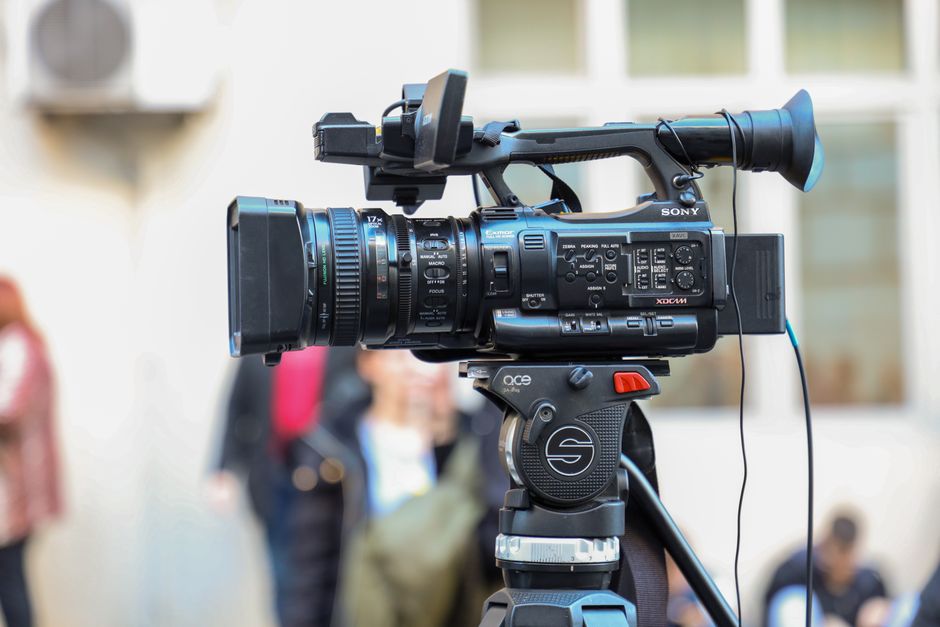
Capturing Cinematic Moments
When you think about your most precious memories—a wedding day, a child's graduation, a family reunion—do you want those moments preserved in grainy, shaky footage or in cinematic brilliance? The difference lies not just in equipment, but in understanding the fundamentals of cinematic capture.
Light is Everything
The foundation of cinematic footage is lighting. Professional cinematographers know that the quality of light determines the mood and clarity of every frame. Natural light during golden hour—shortly after sunrise or before sunset—provides warm, flattering illumination that makes any moment feel more cinematic. If you're capturing indoors, position your subject near windows or invest in simple, affordable lighting solutions. Avoid harsh overhead lighting, which creates unflattering shadows and diminishes the cinematic feel you're after.
Frame Your Shots Deliberately
Cinematic footage isn't accidental. Think about composition before you press record. Use the rule of thirds by positioning your subject off-center. Leave headroom above people's heads and depth in front of them. Vary your shots—capture wide establishing shots, medium shots of people interacting, and close-ups of important details. This variety transforms raw footage into a story.
Stabilize Your Camera
Shaky footage undermines cinematic quality immediately. A simple tripod prevents camera shake and allows you to focus on composition. If you need to move, move slowly and deliberately. Modern smartphones have stabilization features—enable them. Even small gestures toward stability dramatically improve perceived quality.
Audio Matters More Than You Think
Cinematic moments with poor audio feel cheap. Use an external microphone rather than relying on built-in camera audio. Position it close to your speaker. Minimize background noise where possible. Clear, present audio elevates everything else you've captured.
Work with Color Thoughtfully
Cinematic footage often has a consistent color palette. Avoid conflicting colors in your composition. Coordinate clothing and backgrounds. If you're capturing multiple scenes, try to maintain consistent color tones throughout.
Collaborate with Professionals
For your most important moments, consider working with experienced cinematographers. They bring expertise in all these elements plus professional-grade equipment. When you preserve your greatest moments, you're creating heirlooms for future generations—they deserve cinematic treatment.
The moments that matter most deserve to be captured with intention and skill. By understanding these fundamentals, you ensure that when you look back on your preserved memories, they'll shine with the cinematic brilliance they deserve.